Welcome back to our retrospective on Bandai Namco’s Tales of series, an in-depth collection of articles exploring the instalments that make up this action RPG franchise, which has been delighting fans of anime and Japanese role-playing games for over 30 years.
This series was conceived following Bandai Namco’s decision to revitalise the franchise with remasters designed to modernise and re-localise older entries. It is no coincidence that just a few weeks ago we saw the third instalment, Tales of Eternia, return to digital storefronts in a remastered edition. However, our journey cannot linger on Eternia just yet, because following Tales of Phantasia, there is only one true star up next: Tales of Destiny.
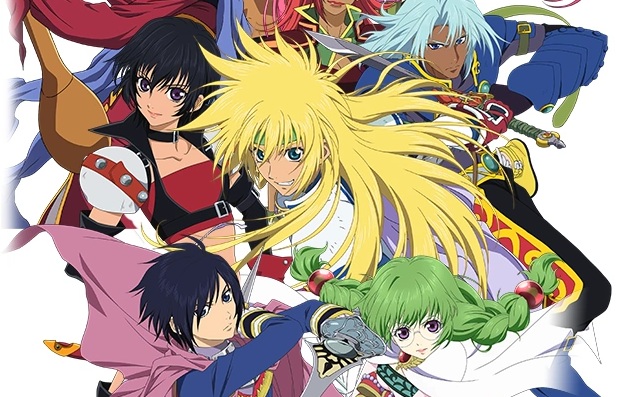
Released in Japan in 1997 for the original PlayStation, the second instalment in the Tales of series was never officially localised for the European market, though it did mark the franchise’s debut in North America. The importance of Destiny to the series’ identity cannot be overstated. However little-known it may remain in Europe, this game cemented several key characteristics that define the Tales of brand to this day. For instance, it marked the start of a decades-long collaboration with animation studio Production I.G, which would go on to produce opening sequences and promotional materials for subsequent entries (including the PlayStation remake of Tales of Phantasia covered in my first article). For the occasion, the animator and illustrator Mutsumi Inomata was hired as character designer; she was already quite famous at the time for having defined the visual identity of fantasy works such as the 1985 animated film Leda: The Fantastic Adventure of Yohko or Windaria, released just the following year.
Personally, I have always suspected that Bandai Namco’s interest in her work stemmed primarily from her 1994 art book featuring stunning Dragon Quest-inspired illustrations, titled Dragon Quest Mutsumi Inomata Illustrations, though I realise this is purely speculative. Alongside Kousuke Fujishima, Inomata remained at the helm of the series’ character design right up to its more recent instalments, where they have been supported by wider illustration teams.