The fourth title in Bandai Namco’s ongoing remastering project, aimed at bringing the “Tales of” series’ past to current-generation platforms, Tales of Xillia Remastered is the high-definition version of the beloved RPG originally released in 2013 in Europe exclusively for Sony PlayStation 3. Xillia is not only the thirteenth entry in the franchise, but for Western fans it also marked the long-awaited return of the Tales of saga to home consoles after more than five years of silence from the publisher. During that period, the series’ mainline and spin-off titles for handheld systems were left unlocalized, with the sole exception of Tales of Graces F, an expanded port of the Wii chapter released only in Japan.
It once seemed as if Bandai Namco had lost faith in the potential of its flagship JRPG brand. If today we can still talk about Tales of as a high-production-value adventure in the North American and European markets, it is entirely thanks to the success of Tales of Xillia and the dedication of its producer, Hideo Baba.
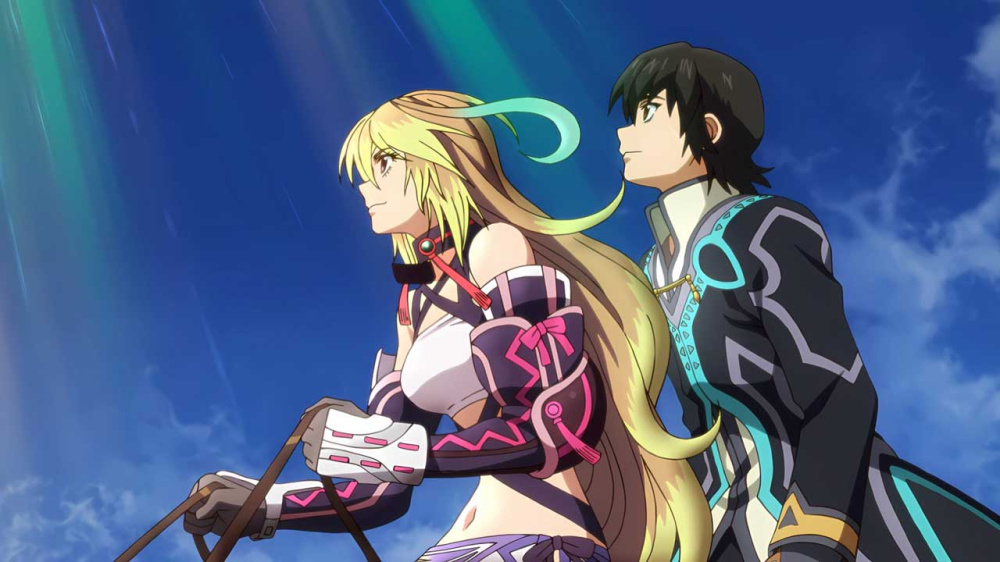
In this sense, Tales of Xillia is also the first “mothership” title in the series to feature two protagonists of equal importance to its intricate narrative. Jude is a young medical student skilled in healing magic and martial arts, while Milla is the omnipotent incarnation of none other than Maxwell, Lord of Spirits, a prominent figure in the Tales of cosmology. Their paths cross while investigating the disappearance of a prominent scientist, just as the flow of mana begins to destabilize due to the reckless use of dangerous spirit-draining devices.
With two main leads to choose from, the gameplay experience and narrative scenes are filtered through the perspective of the chosen character. To uncover all the backstories behind Xillia’s events and characters, players must complete the entire adventure twice, during which the pair frequently separate and reunite, gaining insights they couldn’t have achieved by sticking together.
It wouldn’t be an exaggeration to say that “the thirteenth entry carried the weight of a revolution.” The game broke away from several of the franchise’s traditional design patterns, introducing environments explorable not only horizontally but also vertically, with maps featuring scalable structures, uneven terrain, and more intricate level design than ever before. The camera could now rotate freely at 360°, whereas previous entries had used a fixed perspective reminiscent of prerendered backgrounds.