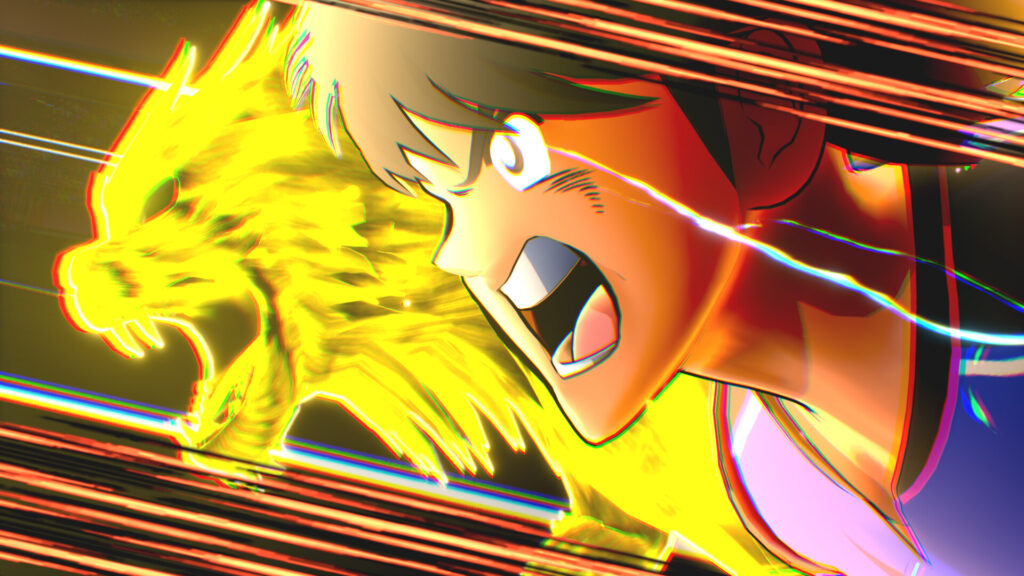
Six years have passed since Captain Tsubasa: Rise of New Champions came out – the arcade soccer game from Tamsoft, based on Yoichi Takahashi’s long‑running manga. Despite the time that’s gone by, Bandai Namco and Tamsoft have kept the project alive with a steady stream of DLC and expansions.
The first game was part of a wider push to relaunch the brand globally, alongside a new anime adaptation (available in the UK on Crunchyroll) from David Production and Studio Kai. That series ran for two seasons and 91 episodes, covering the manga’s first three story arcs. This new entry, Captain Tsubasa 2: World Fighters, instead builds its narrative around the fourth arc: the World Youth storyline, published between 1994 and 1997. Crucially, no previous anime adaptation – not even the most recent one – has ever fully covered this stretch of the manga. Tamsoft plants its roots right in this narrative no‑man’s‑land.
The approach mirrors the “Episode of New Hero” mode from the previous game: you create a custom player who joins Tsubasa and his teammates on their soccer journey. Everything is told from your avatar’s point of view; at the start, you’re playing alongside Tsubasa at São Paulo FC, with striker – and friend – Pepe by your side. Non‑interactive cutscenes still let you keep tabs on Tsubasa’s former Japanese teammates from afar, giving you a reasonably complete picture of the wider story.
Much like its predecessor, Captain Tsubasa 2: World Fighters offers a single‑player campaign split into three sections. Once you’ve cleared the first one – which follows the manga closely and was expanded with input from Takahashi himself – you can branch into custom campaigns built around clashes with some of the series’ most iconic teams and players. In this sense, Tamsoft is following the template of the earlier game almost slavishly, offering the trademark Captain Tsubasa blend: acrobatic pitch action alongside heartfelt personal drama.
To progress, you need to win every match by at least a one‑goal margin. But each fixture also throws in micro‑objectives that unlock content and stat boosts. That means replaying certain matches under specific conditions – sometimes letting the opposition score, or triggering a disadvantageous situation for your own team, or playing your custom character out of position – if you want your avatar to access all the signature moves, or unlock your teammates’ dormant potential, or teach them new techniques.
Many of these objectives recreate classic panels from Takahashi’s manga, which fans will appreciate. And the game never loses sight of the human dimension typical of the original storytelling. Captain Tsubasa is a sports series at heart, but for over forty years it has also been a vessel for stories about young athletes from all over the world, each from a different background. Some play for fun; some to test themselves; some to forge bonds with teammates. Takahashi has never shied away from the tougher subjects either – difficult childhoods, social contexts marked by pain and inequality, abuse and injustice. The game only brushes against these themes, and even in the manga they mostly serve to add dramatic weight to what remains, at its core, a soccer story. Still, Tamsoft makes a genuine effort to weave them into the narrative.